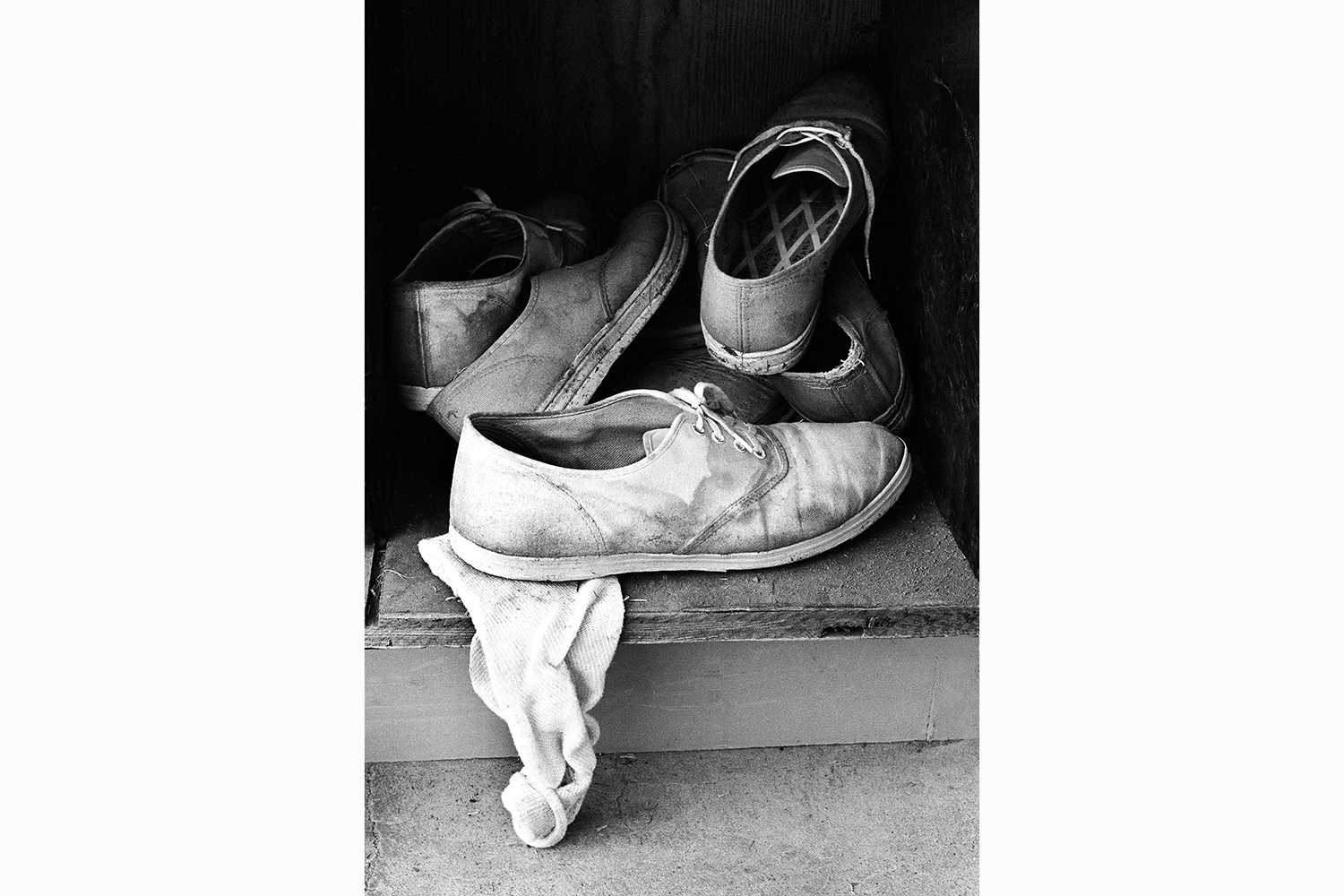
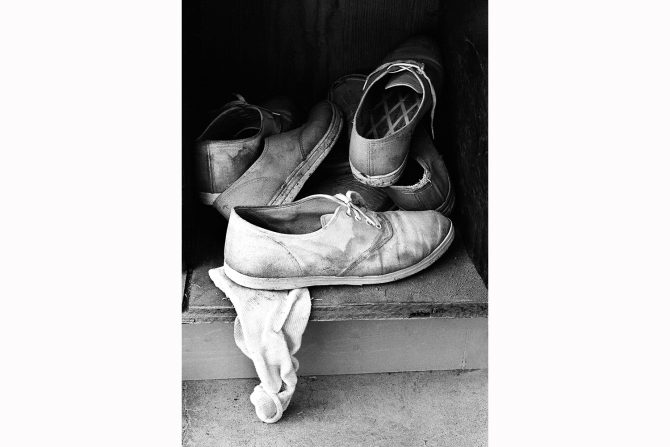
Shoes – 1970
Can you remember when you first discovered photography?
Can you remember the excitement you felt at finding something that you were passionate about?
Can you remember the feeling when you created an image that you really loved?
I can.
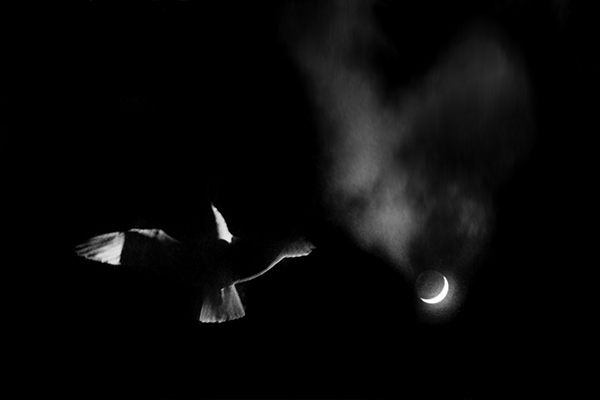
Gull and Moon – 1970
I created “Gull and Moon” at the age of 16, and this was the first image that I really loved and was proud of. I was young, self-taught, I didn’t know the rules or how I was “supposed” to photograph, and I had not yet begun to follow trends.
I was a child with a camera and an imagination, and that was enough.
But then something happened: I decided that I wanted to be a “successful” photographer. I had never thought about what “success” meant to me, I just accepted the widely accepted definition for photographers: to be famous, to have my work in a big-name gallery, to sell my prints for lots of money, and to have a book of my work published.
What else could success mean?
And so I started doing what I thought would make me successful:
- I copied others’ work
- I imitated others’ subjects and styles
- I followed rules and common wisdoms
- I focused on technical perfection
- I created for popularity
- I listened to others’ advice
It turns out that everything I did was the exact opposite of what I should have done. (That’s a Seinfeld reference; do you know the episode?)
And the result? My work was average, boring, and indistinguishable from everyone else’s. I did not create original work, but I took pride in my technical perfection because that was all I had to offer.
Over time, I lost my passion for photography. I felt frustrated, empty, and unfulfilled, but I didn’t know what was wrong or how to fix it. But in 2004, when I was challenged to find and follow my Vision, everything changed.
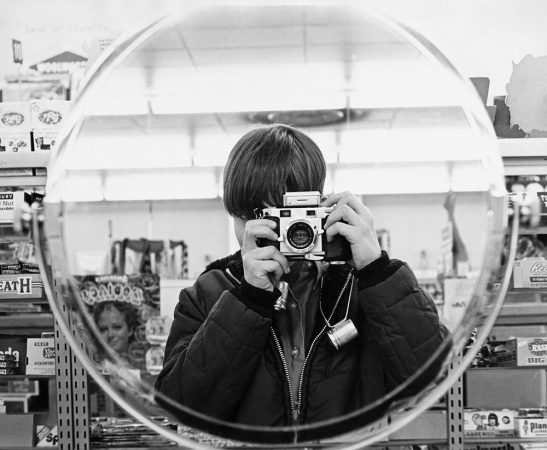
Me at age 14
As I found my Vision, I noticed that my natural child-like creativity and love for my work were returning. Why was this happening? Here’s a thought from Rick Rubin:
“Beginner’s mind – one of the most difficult states of being to dwell in for an artist, precisely because it involves letting go of what our experiences have taught us.
A beginner’s mind starts from a pure childlike place of not knowing. Living in the moment with as few fixed beliefs as possible.
Seeing things for what they are as presented. Tuning in to what enlivens us in the moment instead of what we think will work. And making our decisions accordingly. Any preconceived ideas and accepted conventions limit what’s possible.
We tend to believe that the more we know, the more clearly we can see the possibilities available. This is not the case. The impossible only becomes accessible when experience has not taught us limits. There’s a great power in not knowing.”
One key to regaining my child-like creativity was learning to unlearn everything I thought I knew about photographing. I had to:
- Unlearn years of teachings.
- Unlearn rules and conventions.
- Unlearn my dependence on the advice of experts.
- Unlearn my need for others to like my work.
- Unlearn my belief that there’s a right way to photograph.
- Unlearn everything that restricts me.
It’s really, really hard to turn back the clock of time and to think, see, and feel like our younger selves! Here’s how I started the process:
First, I found my Vision. I learned to see through my own eyes and not through the eyes of Ansel, Edward, Imogen, or Wynn.
Second, I had to understand why I photographed. When I began photographing at age 14, I did so for only one reason: the pure joy of creating.
Third, once I understood why I was photographing, I was able to define success for myself: creating images that I love.
Fourth, the hardest thing of all was to learn not to care what others thought of my work. To do this, I had to keep reminding myself why I was creating.
I feel good when I create something that I love and am proud of. It’s like being 16 all over again, and that’s a feeling I wouldn’t trade for a thousand likes.
I have many photographic philosophies that I live by, but if I had to choose just one that best summarizes my approach to photography, it would be “Creating Honest Work.”
Here’s how I define it:
• It is work that I have created from my Vision
• The idea was mine, not borrowed or stolen.
• It is work that I created for myself with no thought of pleasing others.
• It is work that I love regardless of how others feel about it.
“Honest work” has become my most important standard. It is a test I apply to myself and my work to ensure I am staying true to my Vision.
When I create work where the ideas and Vision are mine, then I have confidence in my creations. But when I am imitating, creating to win awards and likes… then the satisfaction is hollow and fleeting. Each “like” must be followed by another and another for me to remain convinced that my work is good.
Creating honest work is the only way that I choose to work because it assures internal satisfaction. Others may not like my work; it may not win awards, and it may not sell… but when I create an image that I love, that is enough.
Cole
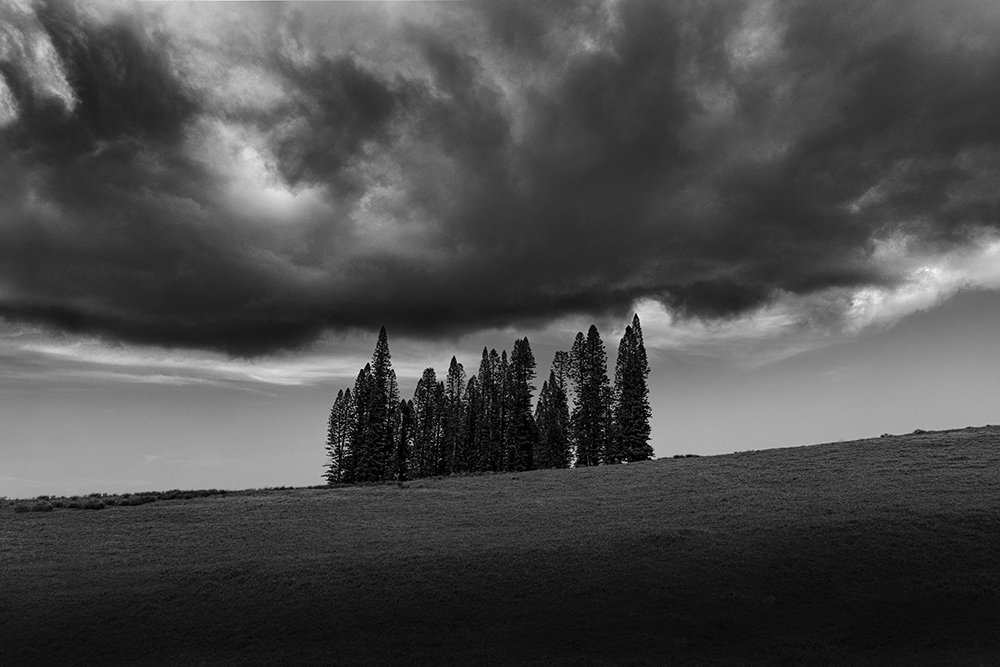
Stand of Trees, Maui
| Recently, a woman from Australia wrote me and said, “Here I am, almost 84, and still have neither time nor respect for silly restrictive rules of any description.” She made me think about how, when you get older, you have less tolerance for distractions and silliness, or “noise” as I call it. I’ve found that as I’ve aged, so many things don’t matter to me anymore. For example, I have no desire to have thousands of followers so I can call myself an “Internet Influencer.” I don’t care if someone doesn’t like my work. And if I’m never recognized by the art establishment, who cares? Today I’m feeling brutally honest, and I thought I’d give you my tips on how to be happier with your photography, and it’s pretty simple: just follow these 10 steps: 1) Quit reading articles that promise that you can be happy if you do these ten things! There are no easy answers, and almost everyone is trying to lure you in with headlines like this so that they can make money in some way. 2) Find your Vision! If you’ve been putting it off because the concept seems too vague or because doing the work is too hard, please commit to starting today. Nothing good comes easy, and finding your Vision is very hard…but nothing will improve your photography or your happiness more than finding and following your Vision. 3) Take a break from social media. Looking at other people’s photography isn’t going to make yours any better. Social media breeds imitation, jealousy, and discontent. “Likes” are not a gauge of how good your work is. The temporary dopamine rush you get from them will quickly diminish, and you’ll soon be looking for your next high. Social media is addictive, it shortens our attention span, and it homogenizes us into this giant, uninteresting lump of photographic goo. 4) Answer the question: Why do I photograph? Are you photographing to become famous? To make money? As a hobby? To express yourself? Be brutally honest about your motives, because only then can you move to the next step. 5) Define what success means to you. Once you understand why you create, then you can decide what success looks like for you. For years, I chased the unspoken definition of photographic success: To be famous, to have my work in a big-name gallery, to sell my prints for big dollars, and to have a book published. As I started to achieve some of that “success,” I realized that it wasn’t fulfilling or lasting, and that’s when I defined success for myself. 6) Quit reading and watching “how-to” articles and videos. Instead, use your time to photograph more. If you want to be a better photographer, then you must photograph more often; it’s a pretty simple formula. 7) Photograph where you’re at. You don’t have to photograph famous locations, National Parks, or foreign lands; your backyard will do just fine. I regret that I have contributed to the subtle and pervasive social media message that great images come from great locations. I think of Paul Caponigro’s series of fruit in a bowl, photographed in his kitchen…simple and sublime. Edward Weston, in his final years and confined to a chair with Parkinson’s, said that he ought to be able to look down at his feet and find something interesting to photograph. 8) Learn to critique your work for yourself, spend time with your images, and analyze them. What do you love about the image, and how can you emphasize that? What don’t you like about the image, and how can you minimize that? Let it sit for a week, and then ask yourself those same questions again. And do it again in another week. And again and again. Keep repeating this cycle until no more changes are made; that’s when you know it’s done. Sure, it’s easy to ask someone what you could’ve done better or differently, but that’s just their opinion, and you really don’t learn by listening to others’ opinions. If your images are a form of self-expression, then someone else’s opinion is irrelevant. Your opinion is the important one. 9) Learn not to care what others think about your work! (both the criticism and the praise). My continual goal is to be like Georgia O’Keeffe, who said, “I decided to accept as true my own thinking. I have already settled it for myself, so flattery and criticism go down the same drain, and I am quite free.” Yes, it’s a hard thing to do, but as you find and follow your Vision, you will gain confidence in what you’ve created and can withstand the fickle winds of public opinion. 10) Photograph what you love and how you love to photograph it. Don’t let rules, common wisdom, judges, teachers, mentors, and social media determine your course. Find and follow your Vision and create what you love. And here’s a bonus tip for those of you who have a paid subscription to my newsletter: (fyi: there is no paid subscription) 11) Create honest work. I define that as work that was created from my Vision; the idea was mine (not borrowed or stolen). It is work I created with no thought of how others would receive it, and it is work I love regardless of how others feel about it. Do you want to be happier with your photography? Quit reading articles like this one and go out and photograph! |
|
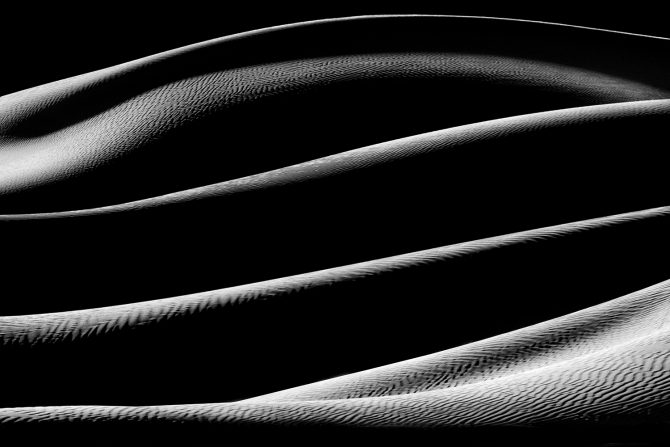
When I was challenged to find my Vision over 20 years ago, I thought Vision was about photography. But as I found and followed my Vision, other changes came about in my life. I was not just discovering how I saw, but I was changing as a person. I was questioning more, I was examining my beliefs, I was becoming much more independent in my thinking.
At some point, I realized that Vision was not really about photography; it was about life! It was not just seeing for myself, but thinking for myself.
I threw off the shackles of groupthink, of following the crowd, of thinking the way I had been taught, and started questioning everything. I stopped following blindly, examined the rules and norms, and stopped trying to fit in. I defined success for myself. I reexamined everything I thought I knew and believed to be true.
The result: finding my Vision changed not just my photography, but also my life.
And then, when John Barclay and I held our first two Vision Retreats, someone at each event commented that Vision was not just about photography but about how to live your life. Those comments have again brought this idea to the forefront of my thinking.
And here’s another thought about Vision that surfaced a couple of days ago: John said something to me as we were recording our YouTube show. We were talking about my definition of “honest work,” which is:
- It was my idea (not borrowed or stolen)
- It was created for myself, with no thought of how others would receive it
- It was created from my Vision
- It is work that I love, regardless of what others think of it
John said that, if a person were to create honest work following these four points, it would go a long way toward finding their Vision.
That was a good thought, and he’s right.
Vision is not about photography; it’s about how to live your life.
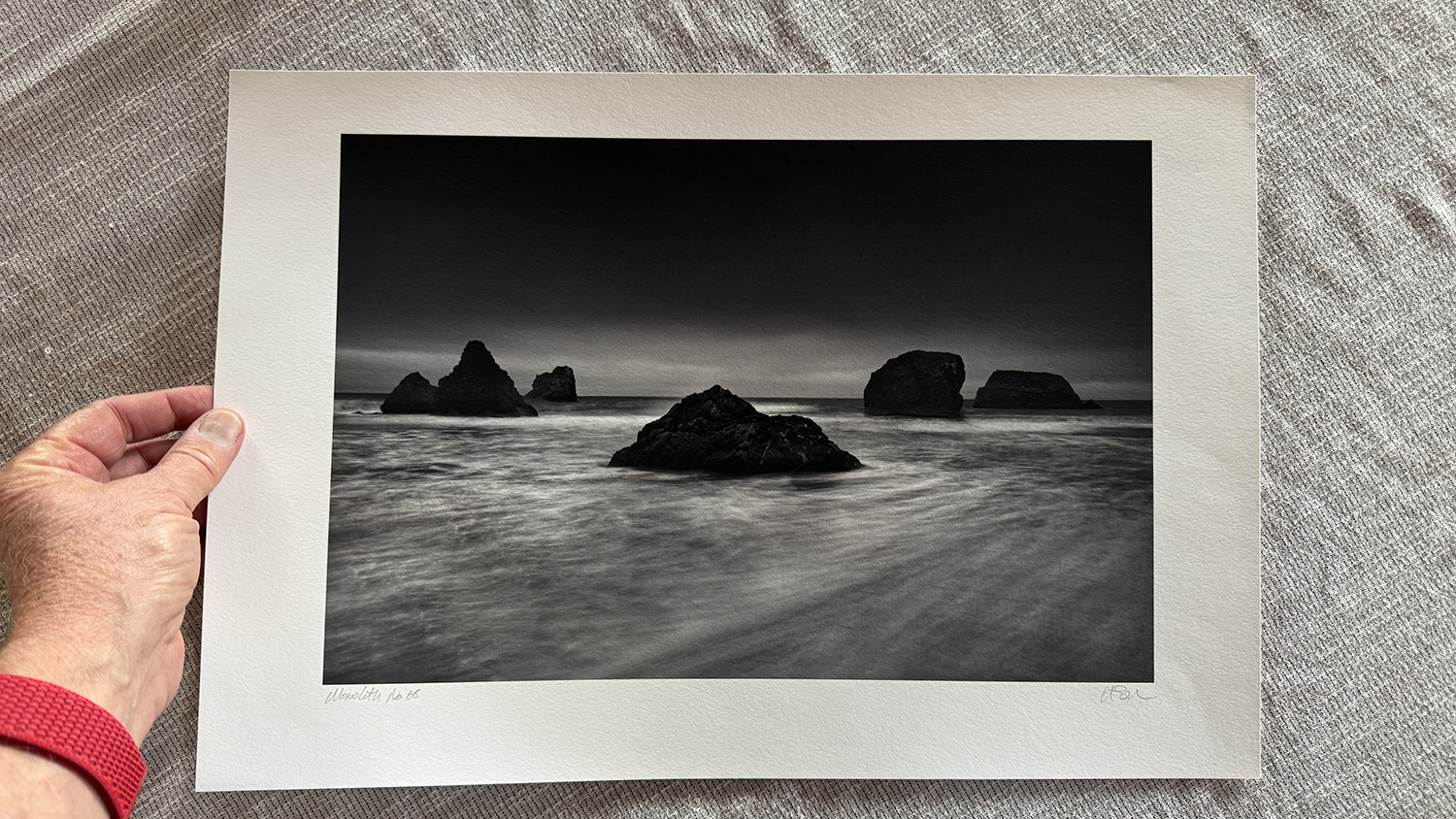
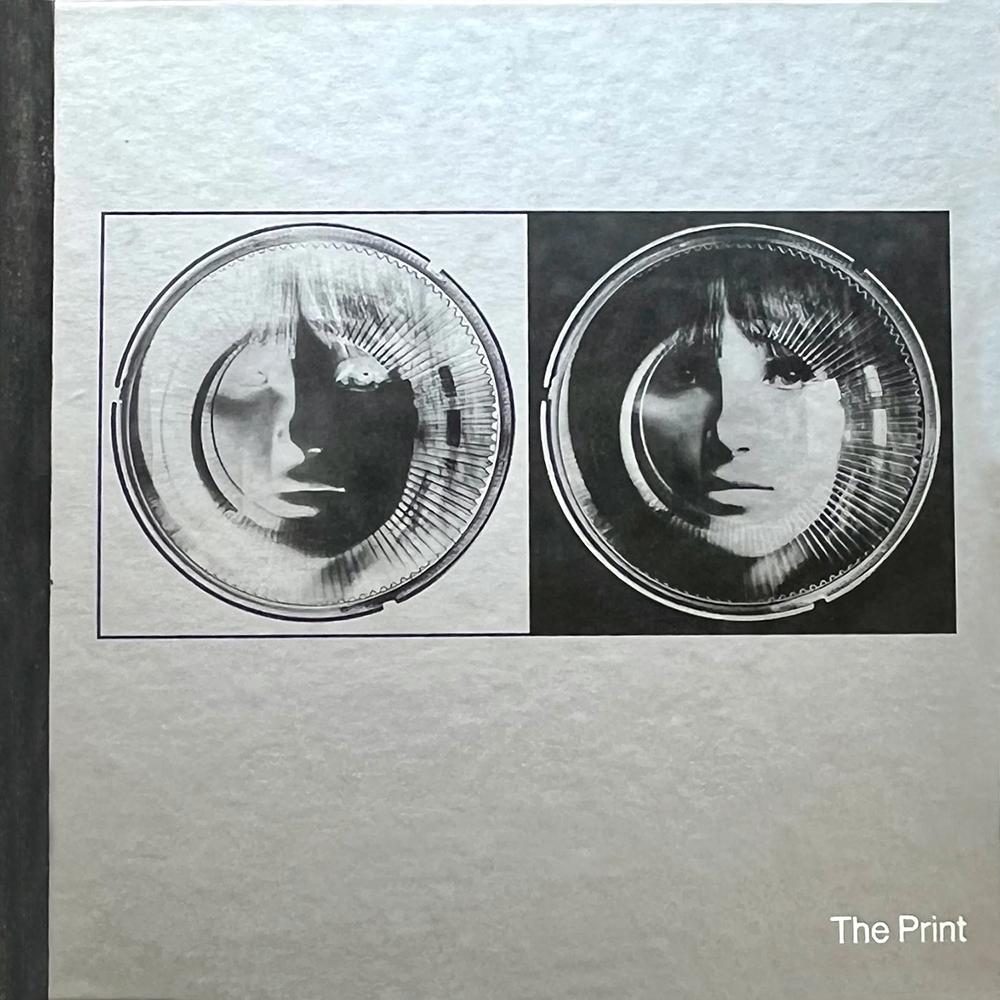
| When I was a young boy my window into the photographic world was books, and there was one book that I really loved: “The Print.“ It was one of several in the Time-Life photography series that introduced me to the great masters of photography. For 170 years, the print was the only way one could view a photograph. If you didn’t print it, it couldn’t be seen. Some even would argue that if you didn’t print it, it wasn’t yet a photograph. |
|
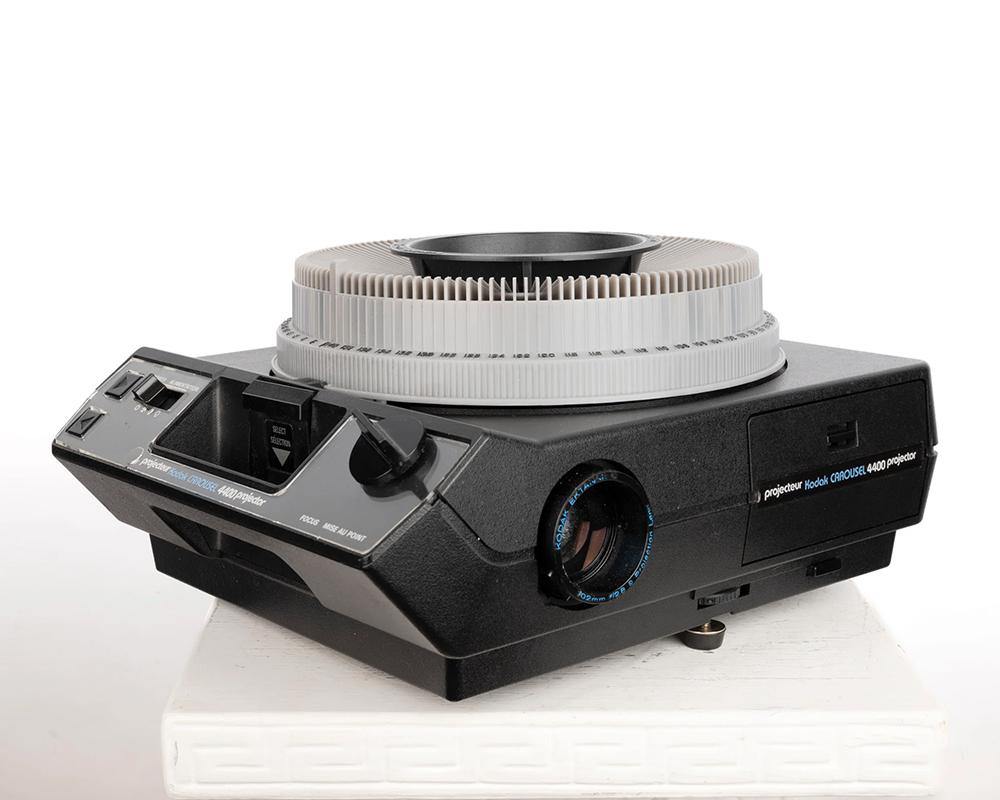
| The exception to prints were slides, which my grandfather used to torture us with his long vacation presentations on his Kodak Carousel projector: “And this is another photo of Old Faithful…” Even at the beginning of the digital era, people still printed their photographs by going down to Walgreens and using the Kodak Kiosk. And later we had color inkjet printers in our homes so that we could print the images ourselves. But then came along the iPhone and the iPad. We could now view any image from anywhere in the world, at any time and at any place, from bedroom to bathroom! It opened up the world to every photographer…and put one more nail in the coffin of the print. Who needs to print? And while viewing an image on a digital screen has many, many advantages, it’s not as personal as viewing a “real” print. Digital viewing generally means small screens. And because there are billions of images available, we can scroll through hundreds per sitting and spend only seconds on each one: scroll, scroll, scroll, like, like, like, faster, faster, faster. |
|
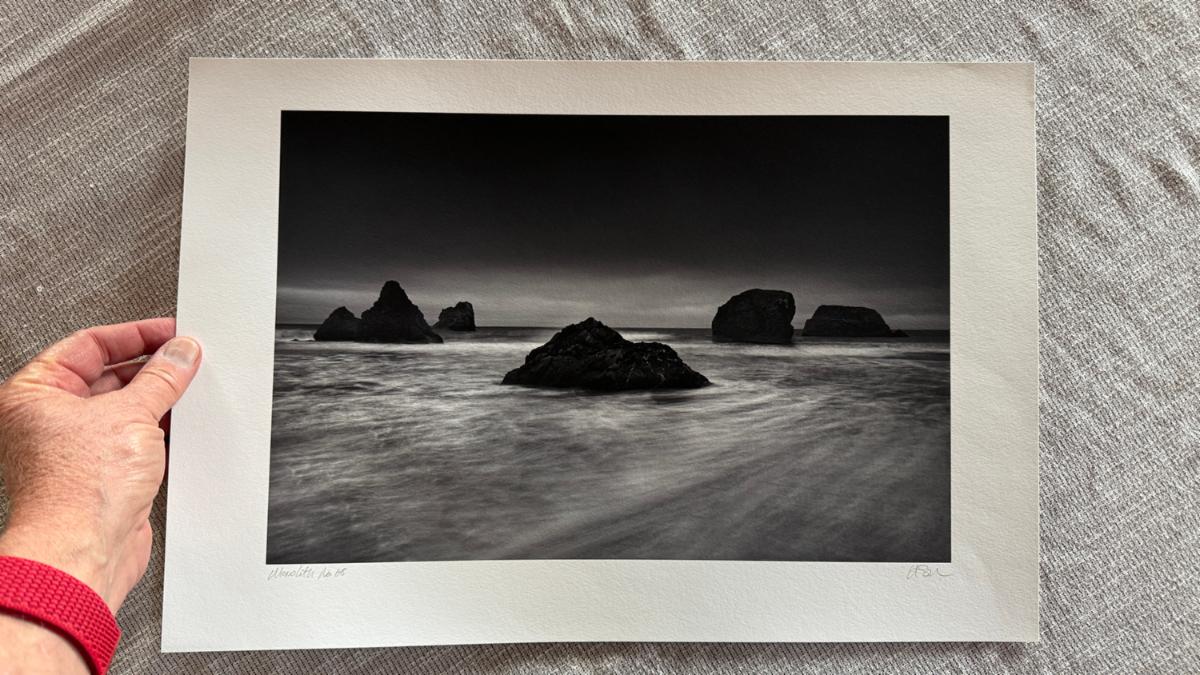
| Viewing an image on a digital screen pales in comparison to holding and viewing a “real” print. I can’t tell you why that’s true, and I have wondered if I’m just being nostalgic because I grew up in the era of “the print.” But I don’t think so and here’s why: when I speak to high school students who grew up with digital images, and show them “real” prints…something interesting happens: They hold them. They slow down. They look longer. They look closer. They contemplate the image. And they express surprise at how different a print is. There is something wonderful about a “real” print. Yes, I love the accessibility and reach of a digital image, but I’d far prefer that you hold one of my prints in your hands. That’s the reason I give a print away with each newsletter. | | |
|
| And here’s another thought about prints: I heard a woman reminisce about how she would sit on her grandmother’s lap and look through a family photo album that covered three generations. That caused the woman to wonder what it would be like when she was older and her granddaughter sat on her lap to view her photos. She imagined the little girl opening the photo app on her iPhone and asking: “grandma, what’s this?” And she would answer: “this is a meal I once ate.” And the little girl would go to the next photo and ask: “what’s that?” And she would say: “this is a pair of shoes I was thinking of buying.” A single family album could hold the memories of three generations, while our iPhones can hold thousands of meaningless images that might cover only three years. And when we are gone, what will become of the tens of thousands of images that reside on our electronic devices or hard drives? My guess is that they will never be viewed. But an album of family photographs or a collection of the images that you have created and love…I think those will have a chance of surviving and being appreciated. Keep your images alive: print them, hang them on your walls, give them away, and fill your albums and books with them. . . |
|
I began my photographic life, thinking of myself as a photographer who documented, and showed others what I saw with my eyes. Documenting came with a rigid set of rules and the biggest sin I could commit was the “M” word: manipulate. As a photographer I judged my work by how well others liked it.
In the next phase of my photographic life, I considered myself a fine art photographer. Thanks to a mentor, I was encouraged to go beyond documenting and to put some of “me” into my images. I discovered my Vision and instead of photographing through my eyes, I now created images through this Vision. But, I was still creating for others and measured my success by likes, wins and sales.
In the third and current phase of my photographic life I now consider myself a self-expressive photographer: I am not documenting and I’m not creating for others. I measure my success by how I feel about my images.
My images are, as Rick Rubin expressed, my diary entries. They record how I feel and how I see the world. They are not trying to communicate to others, they require no explanation, and I am the only judge of the work.
I’ve learned something from each phase of my photographic life. As a photographer I’ve learned skills, as a fine art photographer I discovered my Vision, and now as a self-expressive photographer I am learning to create more personal and reflective diary entries.
Will there be a fourth phase in my photographic life? Who knows, with each phase I never dreamed there’d be another. But with growth comes change, and with change comes growth.
It’s all a continuum.
Cole

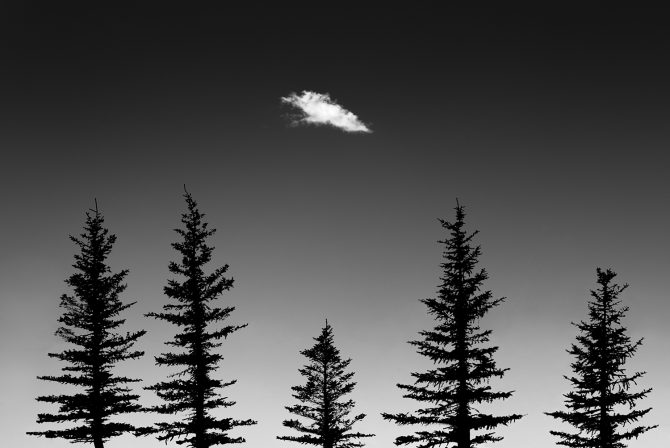
I had created Harbinger No. 60 just before I published my last newsletter, and even though I knew better, I rushed the image so I could include it in the newsletter.
Big mistake.
My normal procedure is to process it, let it sit for a few days, then look at it again and make more changes. I repeat that process over and over and over again until I no longer make any changes, and that process sometimes can take a month.
Only then do I know that the image is finished and ready to be released.
But in my haste to get it into the newsletter, I only made two processing passes. As I included it, I had this subliminal feeling that there was something wrong with the image, but I pushed that thought into the back of my mind, rationalizing that the image was “good enough.”
Then I showed the image to a friend who kept looking at the bottom of the image, and then he asked if the ground was right below the crop line. At that moment I realized what was wrong with it; it was poorly cropped.
It just felt wrong.
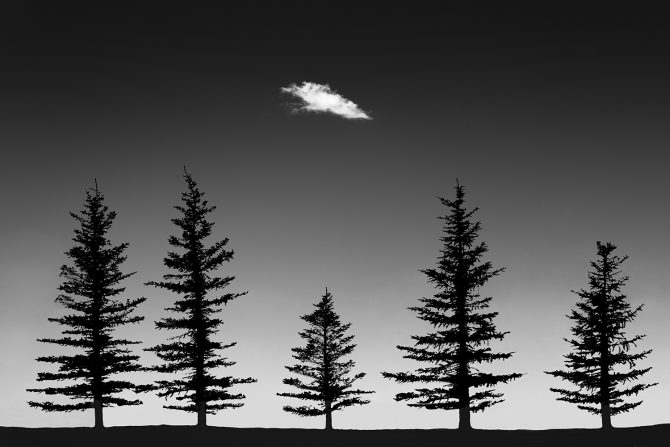
And so I re-cropped it to include the ground, and that made all the difference in the world! I hope that I would have figured this out eventually, if I had followed my normal routine of revisiting the image over and over and over again.
But I was in a hurry.
And so I’ve learned (once again) to slow down, take my time, there’s no rush.
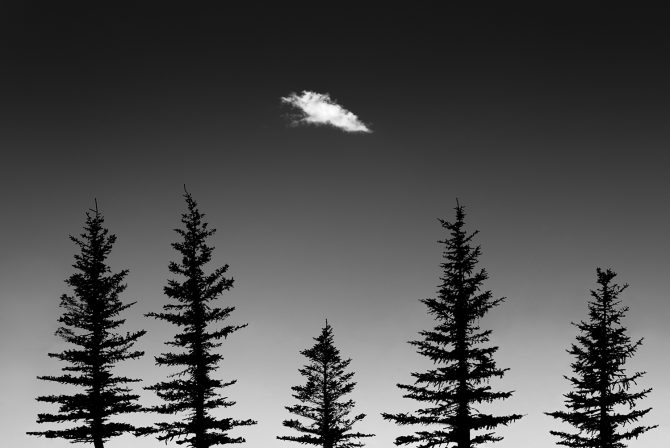
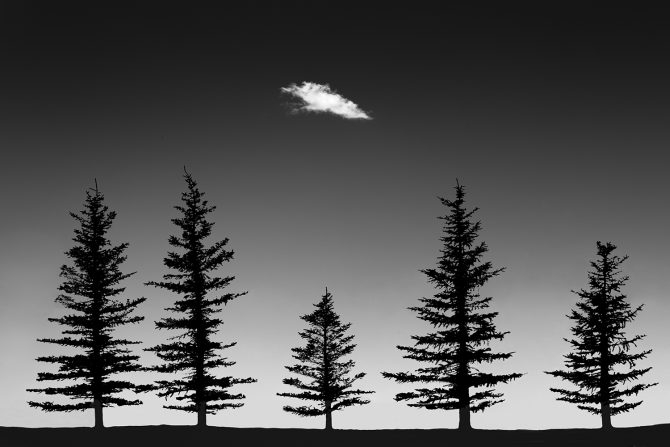
What a big difference such a little thing like a crop can make!
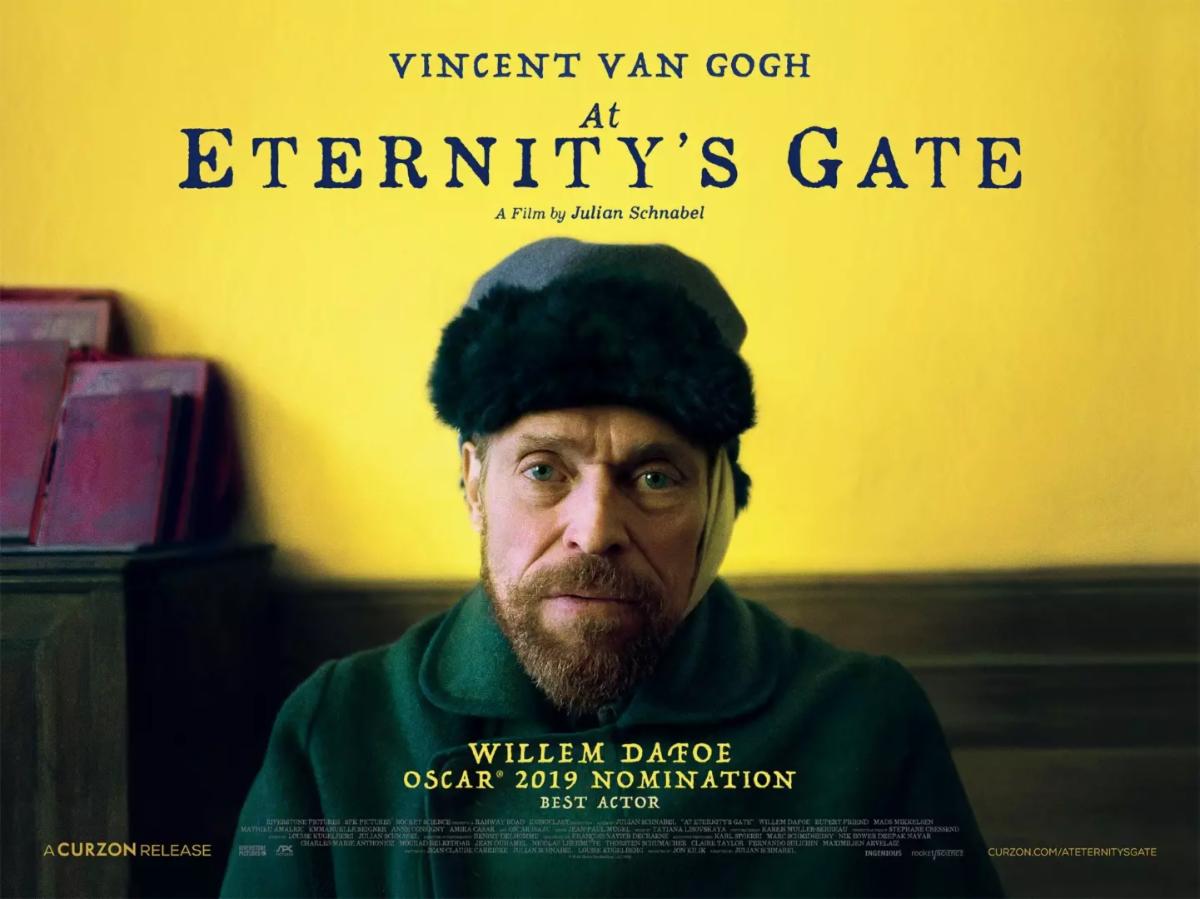
A friend recommended that I watch “At Eternity’s Gate” which is the story of Vincent van Gogh, which is magnificently played by Willem Dafoe. There is so much good to be said about this film, but I want to focus on just one particular aspect of the story, which relates to a thought that keeps rolling around in the rock tumbler of my mind. The painter Paul Gauguin features prominently in this film; he was a contemporary, a friend and roommate of van Gogh, and at that time the more successful of the two. Gauguin tries to help a struggling van Gogh by offering some advice: - You paint too fast!
- Work calmly, slowly.
- Think about the surface and how the paint will set on it.
- You overpaint and the surface looks like it’s made out of clay.
- It looks more like sculpture than painting!
But Gauguin’s approach to creating was so very different from van Goghs, and his advice is rejected. |
|
“Vincent van Gogh Painting Sunflowers” by Paul Gauguin |
|
What worked for Gauguin, did not work for van Gogh. And what worked for van Gogh, would never have worked for Gauguin. And yet their respective approaches worked perfectly for themselves. Which brings me to the thought that keeps popping into my mind: there are so many different philosophies and approaches to creating art, which is the “right way?” I feel so very strongly about my Vision approach to creating, and when I hear someone talk about a different approach, I think: they have it all wrong! And then if I admire their work… that causes me to pause and try to understand how I can have the right answer, and they have the right answer too? |
|
“Paul Gauguin” by Vincent van Gogh |
|
Was Gauguin’s approach right or was van Gogh’s? Clearly both were right…for themselves. Imagine what might have happened if van Gogh had acquiesced to Gauguin’s advice simply because he was “more successful.” He may never have created “The Starry Night” or “Sunflowers” or “van Gogh Self Portrait.” |
|
Instead, van Gogh did it his way (I think he actually credited Frank Sinatra’s song “My Way” for the inspiration.) And so what lesson do I take from this story? That we must each find our own “My Way” and not follow another’s approach simply because they are successful, have a degree or because we respect their work. If their approach works for them, then there’s a good chance it will not work for you! Find your “My Way.” Listen to the different approaches and gravitate towards that which resonates with you. Then take those ideas and make them your own. Colefucius say: they who walk in another’s footsteps, never finds their own path. |
|
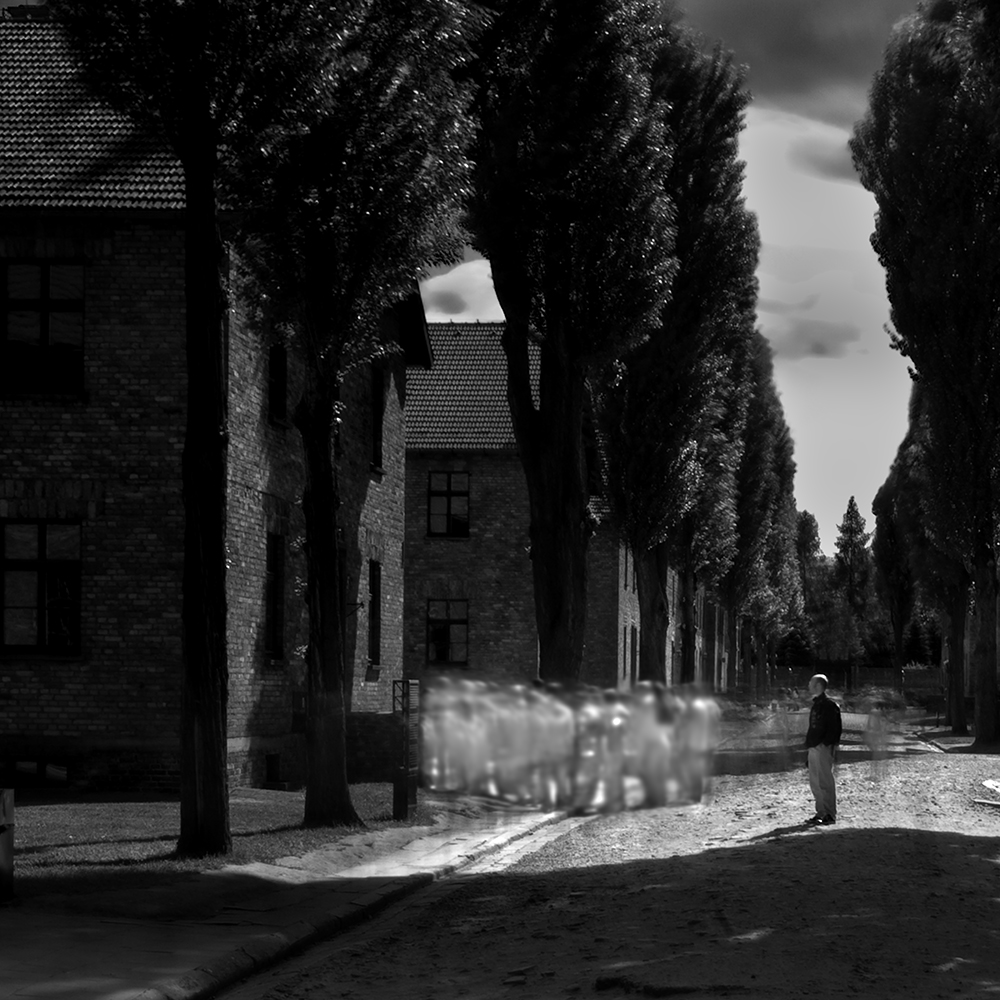
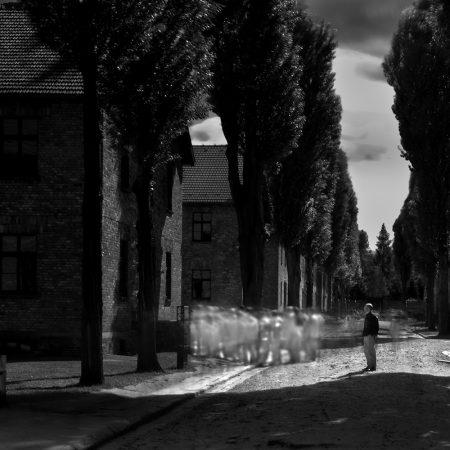
I love to talk about how Vision helps me to create an image, not documenting what I see with my eyes, but following what I am seeing inside my head. And I’ve recently been thinking about how Vision is also used when we view an image. I first noticed this when I created Auschwitz No. 4 above. I had decided not to include any “living” persons in this series, but this image stuck with me, and I decided to include it. I remember having strong feelings as to what this image meant, this living man amongst the ghosts, but I never tell people what an image means to me. It seems to me that the image ought to speak for itself. But over the years, as I’ve heard others express what this image means to them, I’ve been surprised to hear over a dozen different interpretations…and none of them matched mine. It seems to me that Vision not only guides in the creation of an image, but it also shapes the interpretation by the viewer. |
|
I saw this again when I created my “Melting Giants” series. What I saw and felt was different than what most other people saw and felt. I once heard someone say that if others did not “get” your message, then the image had failed. I disagree. I think that my purpose in creating this series was not to communicate something, but to express something. And I’m glad that others see the images through their own life experiences (their Vision), even if they see something different than I do. And that’s why I don’t talk about what I was trying to say, or what an image means to me. Once I have created the image, my job is done, and now it’s up to the viewer to see what they see. |
|
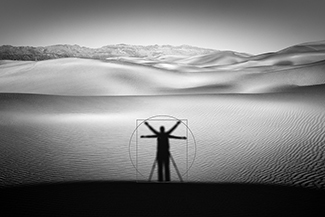

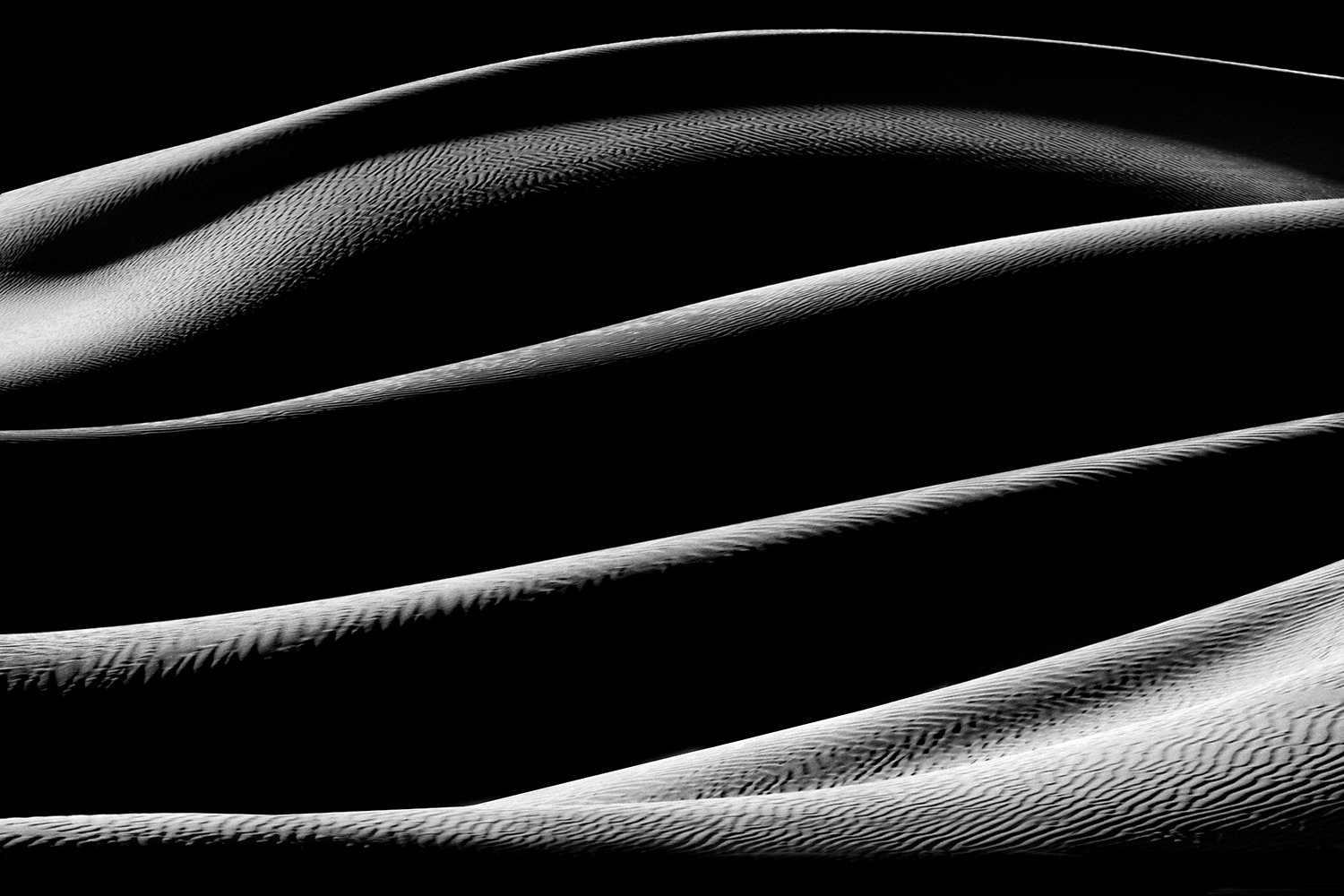
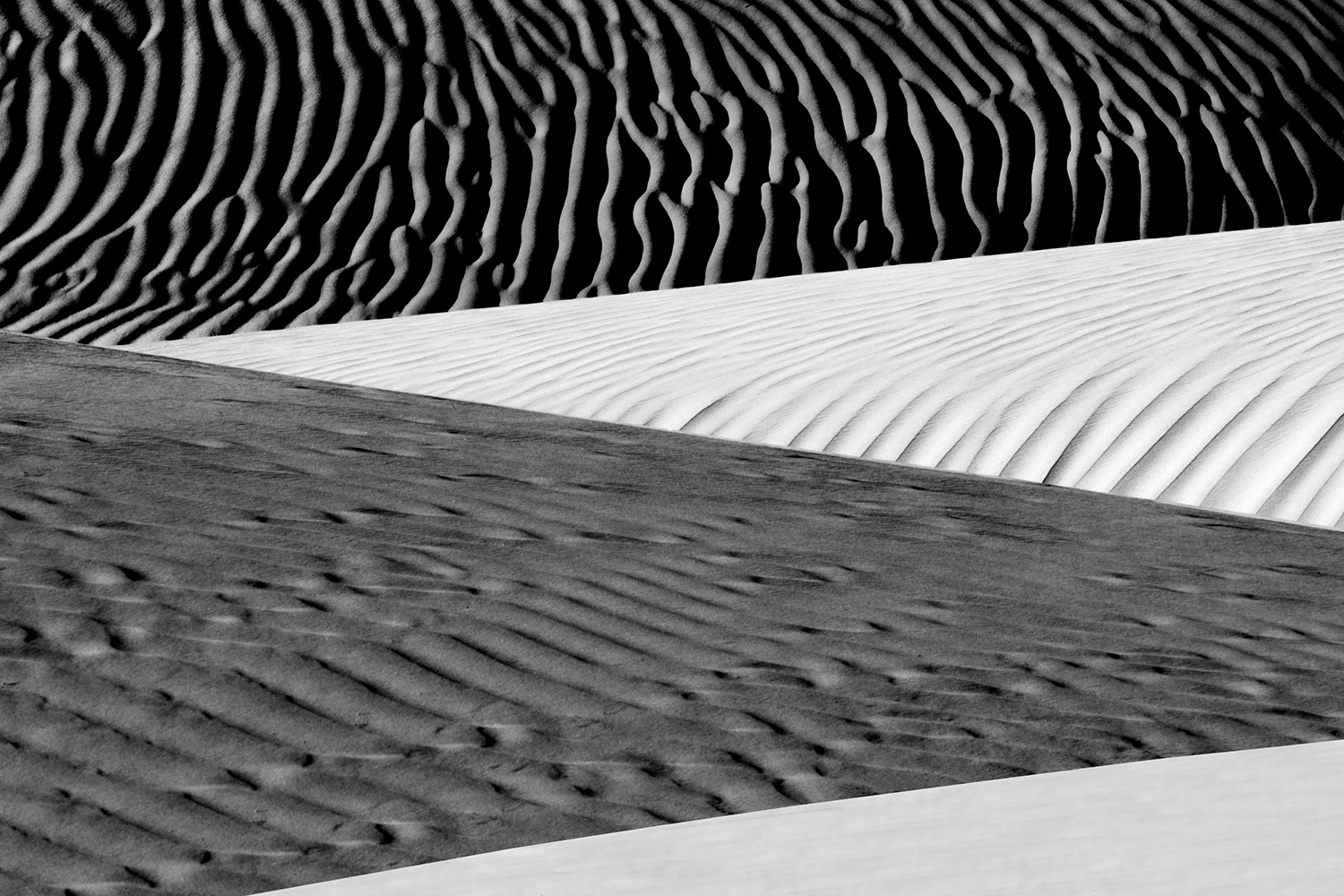
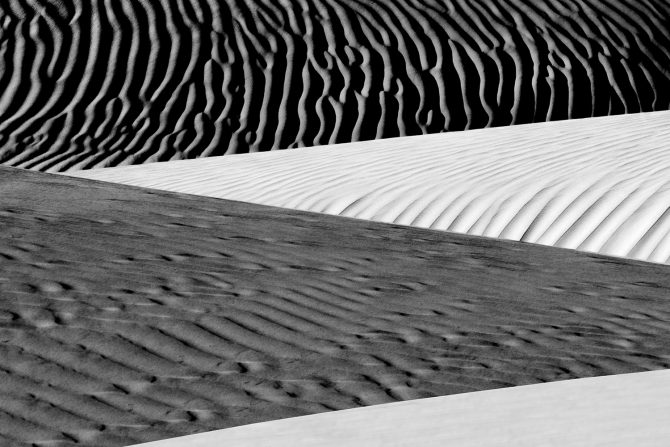
Self-Shadow, Death Valley Dunes |
|
I suspect we would all like our work to be more popular, but what would you be willing to do to achieve that popularity? - Would you be willing to find images that are popular on social media, and then imitate them?
- Would you be willing to create images using fad techniques, just because they are currently in fashion?
- Would you be willing to create images that you didn’t love, because others loved them?
What would you be willing to do? How much do you want to be popular and how popular do you want to be? And if you are able to achieve a large audience, does that mean your work is better than someone with a small audience? Here’s a truth uttered by the great pianist, Artur Rubinstein: “Nothing in art can be the best. It is only different.” There is no good or bad art, just different art, and if you are creating images from your heart, from your Vision and with Passion, you will find your audience. It may be a small audience, but it will be a sincere one. By the simple fact that I create with photography, greatly reduces the size of my audience. And by creating in black and white, reduces it further. And then there is my style of black and white, which reduces it even further still. That is the natural consequence of creating work that I love, but may not be widely popular with others. So, how do I enlarge the size of my audience? |
|
Self-Shadow, I’m on the left |
|
Well as I see it, I have two options: create what the audience loves…or don’t. And I’ve chosen “don’t.” It’s a part of my philosophy of “creating honest work.” You do what you do, and you love what you create, and you’re happy with the audience you find…even if it’s tiny! Why? Because popularity is overrated. What does it get me? Will I live longer if I’m popular? Will it get me into the best restaurants? Do I get to associate with a “higher class” of people? No. And even if it did get me all of those things, I would not trade popularity for the personal satisfaction that I receive when I create an image that I love. |
|
It seems that so many of the questions that I find myself asking these days, leads me back to this basic one: Why do I create? For too many years I created for the accolades, and I was dissatisfied with my photography. I wasn’t creating what I loved, but rather what I thought the audience would love. I have found that true satisfaction comes from within. It also has the extra benefit of giving you confidence and the ability to withstand criticism, and praise. I love how Georgia O’Keeffe said it: “I decided to accept as true my own thinking. I had already settled it for myself, so flattery and criticism go down the same drain, and I am quite free.” That’s how I feel when I follow my Vision and create what I love: free. |
|